
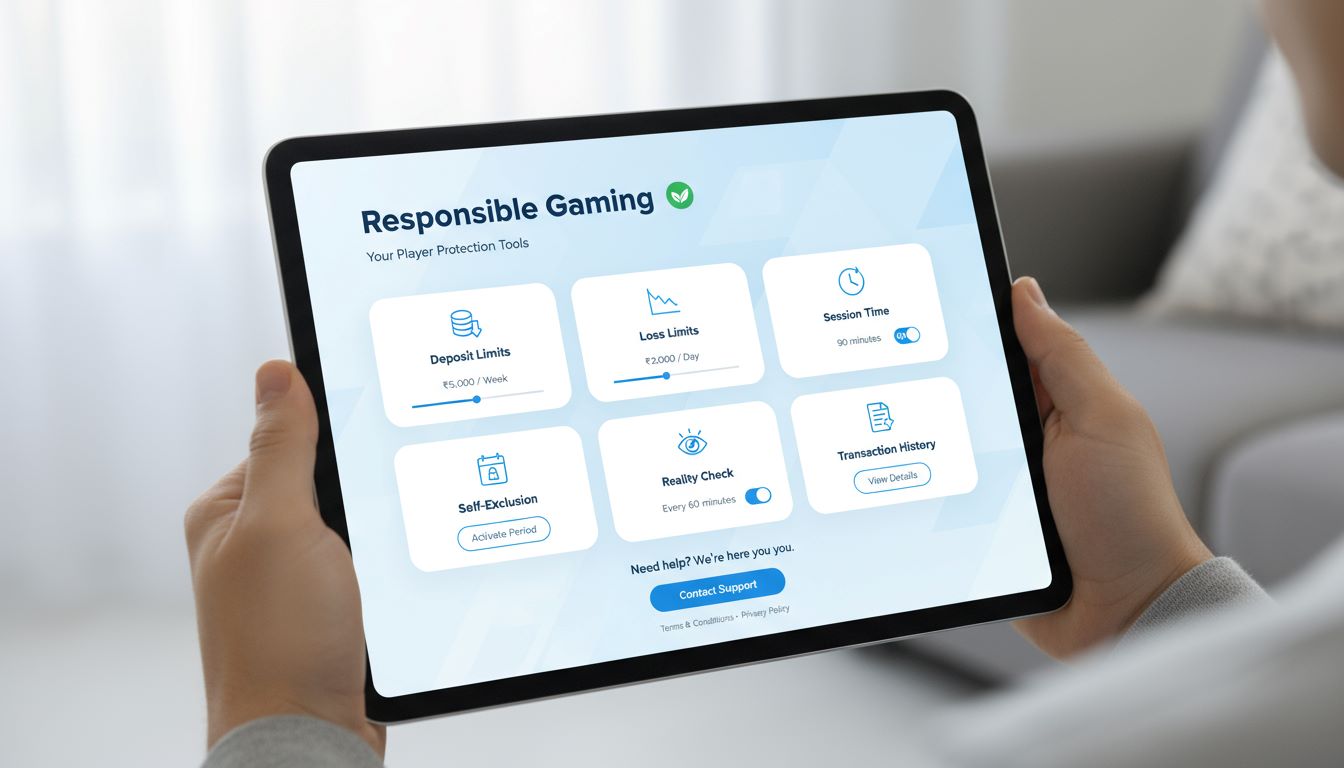
How to activate responsible gaming alerts
Responsible gaming alerts have emerged as critical safeguards for player protection amid India’s rapidly expanding online gaming landscape in 2025. As the industry experiences unprecedented growth, these digital safeguards serve as essential barriers between recreational gaming and potentially harmful behavior patterns.
The convergence of government regulation, industry standards, and proactive player action has created a comprehensive framework for gaming protection. Recent regulatory developments have mandated specific alert systems, verification processes, and protection measures that operators must implement to maintain compliance. This article provides practical steps for activating these tools, understanding Indian regulatory requirements, and maximizing the effectiveness of available protection mechanisms.
Regulatory Overview: Responsible Gaming Requirements in India
India’s gaming regulatory framework has undergone significant transformation between 2023 and 2025, establishing comprehensive rules that mandate Self-Regulatory Body (SRB) verification, mandatory spending limits, automated warning systems, and visible trust marks on all compliant platforms. These regulations differentiate between skill-based games and games of chance, with real-money gaming platforms facing stricter compliance requirements than free-to-play alternatives.
The distinction between real-money and non-money games has become increasingly important for player safeguards. Real-money gaming platforms must implement comprehensive alert systems, mandatory cooling-off periods, and robust age verification processes. Non-money games, while facing fewer restrictions, still require basic player protection measures including time-based alerts and age-appropriate content controls.
Player safeguards now extend beyond simple deposit limits to include behavioral pattern recognition, automated intervention systems, and mandatory self-assessment tools. These measures create multiple layers of protection designed to identify and prevent problematic gaming behavior before it becomes harmful.
Key Government Mandates for Online Gaming Alerts
The regulatory framework establishes specific requirements that all licensed operators must implement to protect players and maintain operational compliance.
- Mandatory reality check warnings displaying time and money spent during gaming sessions
- Self-exclusion options with varying timeframes from 24 hours to permanent account closure
- Visible SRB compliance marks and certification displays on platform interfaces
- Robust age verification systems requiring government-issued identification
- Automated spending limit alerts with user-defined and platform-imposed maximums
- Session time warnings with mandatory break recommendations after extended play
- Vulnerable player detection systems that monitor betting patterns and behavior
SRB Verification: What Does It Guarantee for Players?
Self-Regulatory Body verification provides players with assurance that gaming platforms meet established safety standards and undergo regular compliance audits. SRB frameworks guarantee that responsible gaming alerts are properly implemented, regularly tested, and cannot be easily bypassed by operators seeking to maximize player engagement at the expense of safety.
The verification process includes comprehensive game reviews, algorithm audits, and alert system testing to ensure that protection mechanisms function as intended. Players can trust that SRB-verified platforms maintain transparent policies, provide accessible customer support, and follow established protocols for handling vulnerable player situations.
Understanding Responsible Gaming Alerts and Tools
Modern responsible gaming tools encompass a comprehensive range of alerts and controls designed to help players maintain healthy gaming habits. These tools fall into two primary categories: user-activated controls that players can customize based on their preferences, and automatic alerts triggered by platform algorithms that detect potentially concerning behavior patterns.
The effectiveness of these tools depends largely on proper configuration and consistent use. Players who actively engage with available protection mechanisms report significantly better control over their gaming habits compared to those who rely solely on automatic systems.
| Tool/Alert | Purpose | How It Helps | Customization |
|---|---|---|---|
| Deposit Limits | Control maximum spending amounts | Prevents impulsive large deposits | Daily, weekly, monthly limits |
| Reality Check Alerts | Display time and money spent | Maintains awareness of gaming activity | Frequency and detail level |
| Session Time Limits | Restrict continuous gaming duration | Encourages regular breaks and reflection | Time intervals and enforcement level |
| Self-Exclusion Options | Temporary or permanent account blocking | Complete protection from gaming access | Duration and scope of exclusion |
| Loss Limit Alerts | Monitor and restrict total losses | Prevents excessive financial impact | Threshold amounts and timeframes |
| Cooling-Off Periods | Mandatory breaks between sessions | Reduces impulsive decision-making | Duration and trigger conditions |
Which Alerts Should You Enable First?
Prioritizing responsible gaming alerts ensures that the most critical protection mechanisms are in place before engaging in regular gaming activities. The following ranking considers both immediate risk mitigation and long-term habit formation.
- Reality check alerts for continuous awareness of time and spending during all gaming sessions
- Daily deposit limits to establish clear financial boundaries and prevent impulsive large deposits
- Session time limits to encourage regular breaks and prevent extended gaming marathons
- Weekly spending summaries to maintain perspective on overall gaming expenditure patterns
- Loss limit notifications to protect against significant financial impact during unlucky streaks
- Self-exclusion setup as an emergency option for immediate access restriction when needed
Step-by-Step: How to Activate Responsible Gaming Alerts
Activating responsible gaming alerts requires navigating platform-specific interfaces while ensuring all critical protection mechanisms are properly configured. Most licensed Indian gaming platforms follow similar activation procedures, though the exact menu locations and terminology may vary between operators.
The activation process typically takes 10-15 minutes to complete comprehensively, and players should verify that all selected alerts are functioning correctly before beginning regular gaming activities. Platforms are required to confirm alert activation through email or SMS notifications.
- Log into your gaming account and navigate to the account settings or responsible gaming section
- Locate the responsible gaming tools menu, often found under “Player Protection” or “Safe Gaming”
- Select deposit limits and configure daily, weekly, and monthly maximum amounts based on your budget
- Enable reality check alerts with your preferred frequency, typically every 30-60 minutes during active play
- Set session time limits that align with your intended gaming duration, usually 1-3 hours maximum
- Configure loss limit alerts to notify you when approaching predetermined spending thresholds
- Save all settings and verify activation through the confirmation messages sent to your registered contact details
Platform Differences: Domestic vs. Offshore Sites
The availability and sophistication of responsible gaming tools varies significantly between domestic Indian platforms and offshore gaming sites. Understanding these differences helps players make informed decisions about platform selection and protection strategies.
Domestic platforms operating under Indian regulation typically offer more comprehensive and reliable protection mechanisms due to strict compliance requirements and regular auditing processes.
| Platform Type | Available Tools | SRB Compliance | Ease of Activation |
|---|---|---|---|
| Domestic Indian Platforms | Comprehensive suite with all mandatory features | Full compliance with regular audits | User-friendly interfaces with guided setup |
| Offshore Gaming Sites | Basic tools, may lack advanced features | Varies by jurisdiction, often limited | Complex navigation, hidden settings |
What If You Can’t Find Responsible Gaming Tools?
Some platforms may not prominently display responsible gaming tools or may use different terminology that makes these features difficult to locate. Players experiencing difficulty finding protection mechanisms should take immediate action to ensure their safety.
- Contact customer support directly through live chat or email to request assistance with tool activation
- Check footer links, help sections, and account management areas for alternative access points
- Download third-party blocking applications that can restrict access to gaming sites during specified times
- Set up banking alerts and spending limits through your financial institution as an additional safeguard
- Consider switching to platforms with more transparent and accessible responsible gaming features
Advanced Controls: Customizing and Automating Alerts
Advanced responsible gaming controls offer sophisticated automation and customization options that adapt to individual player behavior patterns. These tools utilize machine learning algorithms and behavioral analytics to provide proactive protection that evolves with changing gaming habits.
Dynamic limit adjustments and intelligent alert timing can significantly improve the effectiveness of protection mechanisms by providing relevant interventions at critical decision points. Override protection ensures that emotional or impulsive states cannot easily bypass established safety measures.
Cool-off enforcement mechanisms prevent immediate reversal of protection decisions, allowing time for rational consideration before modifying or removing safety restrictions.
| Alert/Feature | Automation Options | Recommended Use | Override Protection |
|---|---|---|---|
| Dynamic Spending Limits | Adjust based on income patterns and behavior | Players with variable income or spending habits | 24-hour delay on limit increases |
| Behavioral Pattern Alerts | Monitor betting patterns and session frequency | Early detection of problematic behavior | Cannot be disabled during active alerts |
| Device-Level Blockers | Automatic site blocking during specified times | Complete access prevention during vulnerable periods | Admin password required for modifications |
| Emotional State Detection | Analyze gameplay speed and decision patterns | Intervention during emotional or impulsive play | Mandatory cooling-off period when triggered |
How to Pair Operator Tools with Device & Third-Party Blockers
Combining platform-specific responsible gaming tools with external blocking applications creates multiple layers of protection that are more difficult to bypass during moments of poor judgment or emotional decision-making.
- Install website blocking applications that restrict access to gaming sites during predetermined times or after spending limits are reached
- Configure banking app notifications and spending limits to provide real-time alerts about gaming-related transactions
- Use companion mobile apps that track gaming time across multiple platforms and send consolidated spending reports
- Set up accountability partnerships with trusted friends or family members who receive automated spending and time reports
- Enable device-level parental controls even on adult accounts to create additional barriers during vulnerable moments
Player Protection Programmes and Industry Initiatives
India’s gaming industry has implemented comprehensive player protection programmes that extend beyond basic regulatory compliance to include proactive harm prevention and support services. Recent initiatives include the Electronics Gaming Federation (EGF) codes of conduct, mandatory operator audits, and industry-wide certification programmes that establish minimum standards for player protection.
These programmes incorporate vulnerable user detection mechanisms that monitor player behavior patterns and automatically trigger intervention protocols when concerning trends are identified. The industry has also developed comprehensive support networks that connect players with professional counseling services and peer support groups.
Cross-platform data sharing initiatives allow operators to identify players who may be circumventing limits by creating multiple accounts across different platforms, providing more comprehensive protection against problematic gaming behavior.
- Mandatory operator participation in harm prevention training programmes and best practice sharing initiatives
- Industry-funded research into gambling addiction prevention and treatment methodologies specific to Indian cultural contexts
- Collaborative development of standardized alert systems and protection mechanisms across all licensed platforms
- Establishment of independent player advocacy services that provide free counseling and support resources
- Implementation of cross-platform player tracking systems to prevent limit circumvention through multiple account creation
- Regular public reporting of platform safety metrics and player protection programme effectiveness statistics
- Development of culturally appropriate intervention strategies that respect Indian family structures and social dynamics
How Certification Improves Alert Reliability
Annual certification and audit processes ensure that responsible gaming alerts function as intended and cannot be easily manipulated by operators seeking to maximize player engagement. Independent testing agencies verify that alert systems activate at specified thresholds, display accurate information, and cannot be bypassed without proper authorization protocols.
Certification requirements include regular penetration testing of alert systems, verification of algorithm accuracy, and confirmation that cooling-off periods are properly enforced. These processes provide players with confidence that protection mechanisms will function reliably when needed most.
Community and Parental Controls
Community-based protection mechanisms extend responsible gaming safeguards to include social accountability and family involvement in gaming habit monitoring.
- Age verification gates that require multiple forms of identification and periodic re-verification to prevent underage access
- Parental dashboard systems that allow family members to monitor gaming activity and receive alerts about concerning behavior patterns
- Community reporting tools that enable friends and family to request welfare checks when they observe problematic gaming behavior
- Educational resources for family members about recognizing signs of gaming problems and appropriate intervention strategies
- Support group referral systems that connect affected families with professional counseling services and peer support networks
Tips for Maintaining Healthy Gaming Habits
Maintaining healthy gaming habits requires proactive engagement with available protection tools combined with regular self-assessment and honest evaluation of gaming behavior patterns. Early adoption of comprehensive alert systems, before problems develop, provides the most effective protection against gaming-related harm.
Regular self-check routines help identify subtle changes in gaming behavior that might indicate developing problems, while professional support seeking ensures that concerning patterns receive appropriate intervention before they become severe.
- Activate all available responsible gaming tools immediately upon account creation, before establishing regular gaming patterns
- Conduct weekly reviews of gaming time and spending to maintain awareness of cumulative activity levels
- Establish clear gaming budgets that represent only disposable income, never funds needed for essential expenses
- Schedule regular breaks from gaming activities to maintain perspective and prevent habit formation from becoming problematic
- Seek professional counseling or support group participation at the first signs of gaming negatively impacting other life areas
- Maintain open communication with trusted friends and family members about gaming activities and any concerns that arise
- Regularly update and review protection settings to ensure they remain appropriate for current life circumstances and financial situations
Self-Assessment: Warning Signs of Problem Gaming
Recognizing early warning signs of problematic gaming behavior enables timely intervention before patterns become entrenched and difficult to change. Regular honest self-assessment using these indicators can help identify when additional support or more restrictive protection measures may be needed.
- Spending more time or money on gaming than originally intended on a regular basis
- Experiencing anxiety, irritability, or restlessness when unable to access gaming platforms
- Lying to family members or friends about the extent of gaming activities or amounts spent
- Using gaming as the primary method for dealing with stress, depression, or other emotional difficulties
- Neglecting work, family, or social responsibilities to continue gaming activities
- Attempting to recover losses through increased gaming rather than accepting them as entertainment costs